
How Long Does First Aid Training Last? a 2026 Guide
A standard first aid course usually takes one day, and the certificate is generally valid for three years, but CPR must be refreshed every 12 months. The course length and the period your training remains current are separate questions.
You may be checking this because a new employer has asked for evidence of first aid training, your current certificate is approaching renewal, or you're planning staff coverage for a workplace. The confusing part is that “how long does first aid training last?” can mean either how long you'll spend in training or how long the qualification remains valid.
Those answers aren't the same. A full course may fit into one working day, while the broader first aid qualification follows a three-year renewal cycle and its CPR component follows an annual cycle. The difference matters when you're applying for work, organising a team, or trying to avoid a gap in workplace coverage.
Table of Contents
- Your Guide to First Aid Course Timelines and Validity
- Breaking Down Common First Aid Course Durations
- Understanding Certificate Validity and Renewal Rules
- Face-to-Face vs Blended Learning Time Commitment
- Factors That Can Influence Your Training Time
- Frequently Asked Questions About First Aid Training
Your Guide to First Aid Course Timelines and Validity
An employer may ask for your first aid evidence just as your CPR currency is about to expire. The confusion usually comes from treating course duration and certificate validity as the same clock. They are separate: one measures time in training, while the other determines whether your skills remain current for work.
HLTAID011 Provide First Aid is commonly completed in about one day. HLTAID009 Provide Cardiopulmonary Resuscitation takes less time because it focuses on CPR and related emergency response skills. Delivery can change the timetable, so confirm the schedule with your registered training organisation before booking.
The main first aid qualification generally follows a three-year renewal cycle. CPR follows a shorter 12-month cycle. In practice, the certificate works like a larger folder with a smaller CPR reminder inside it. The folder may remain current while the CPR component needs updating sooner. Safe Work Australia's guidance describes this distinction and the need to refresh CPR annually (Safe Work Australia's first aid Code of Practice).
Practical rule: Set two calendar reminders, one for the annual CPR update and one for the three-year first aid renewal.
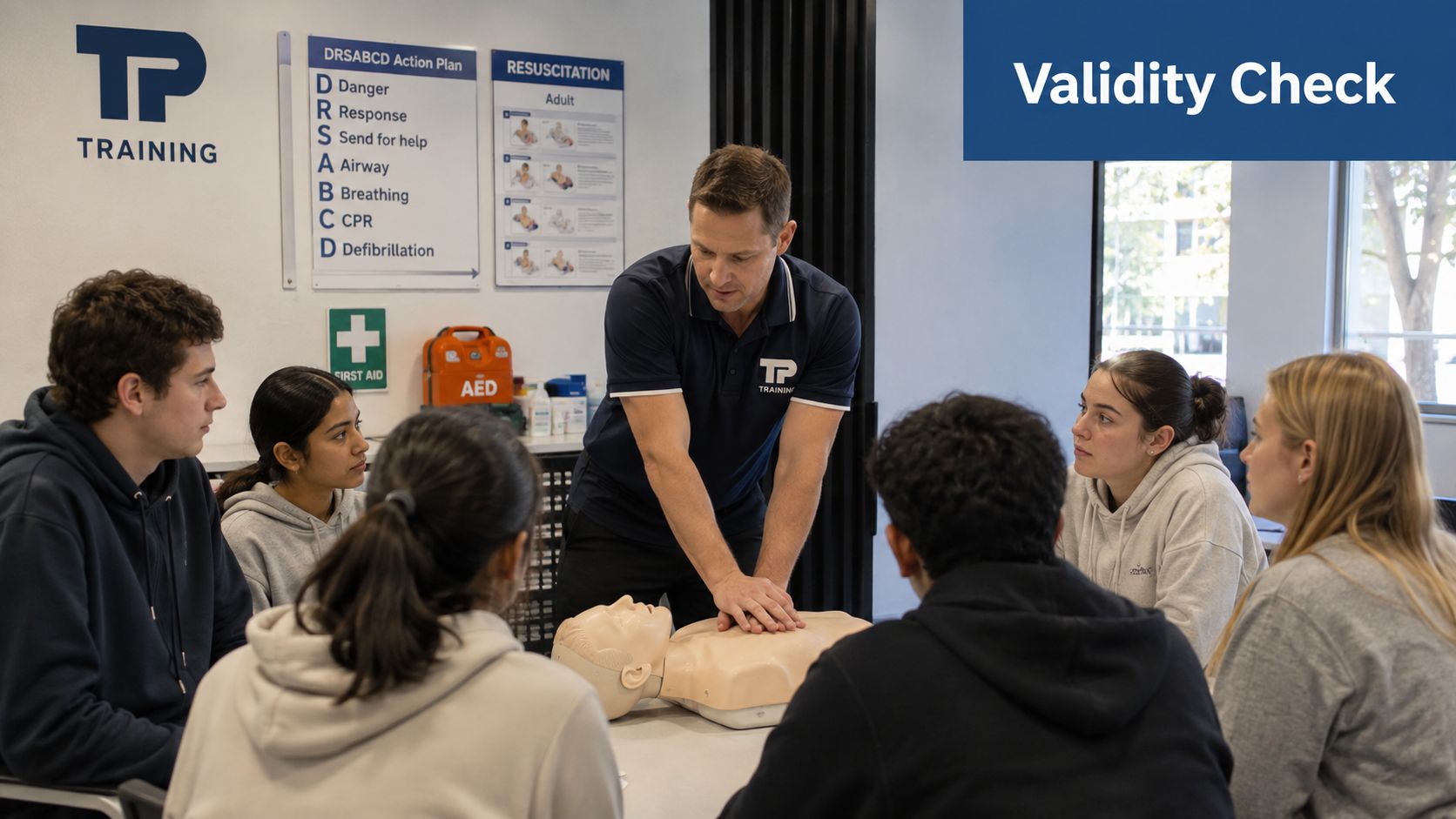
Check the requirement attached to the role before enrolling. A general workplace may request HLTAID011, while education and care work may require training suited to that setting. Reviewing first aid certification requirements in Australia can help clarify why both the course code and renewal dates matter.
Plan around three decisions:
- Course: CPR-only, full first aid, or education and care first aid.
- Format: Face-to-face or blended online and practical delivery.
- Next deadline: Your CPR date may arrive before the broader qualification renewal date.
Breaking Down Common First Aid Course Durations
A job seeker may see “first aid training” on a position description and assume every course takes the same time. The course code gives a clearer answer because each qualification covers a different set of skills and assessment tasks.
Full workplace first aid
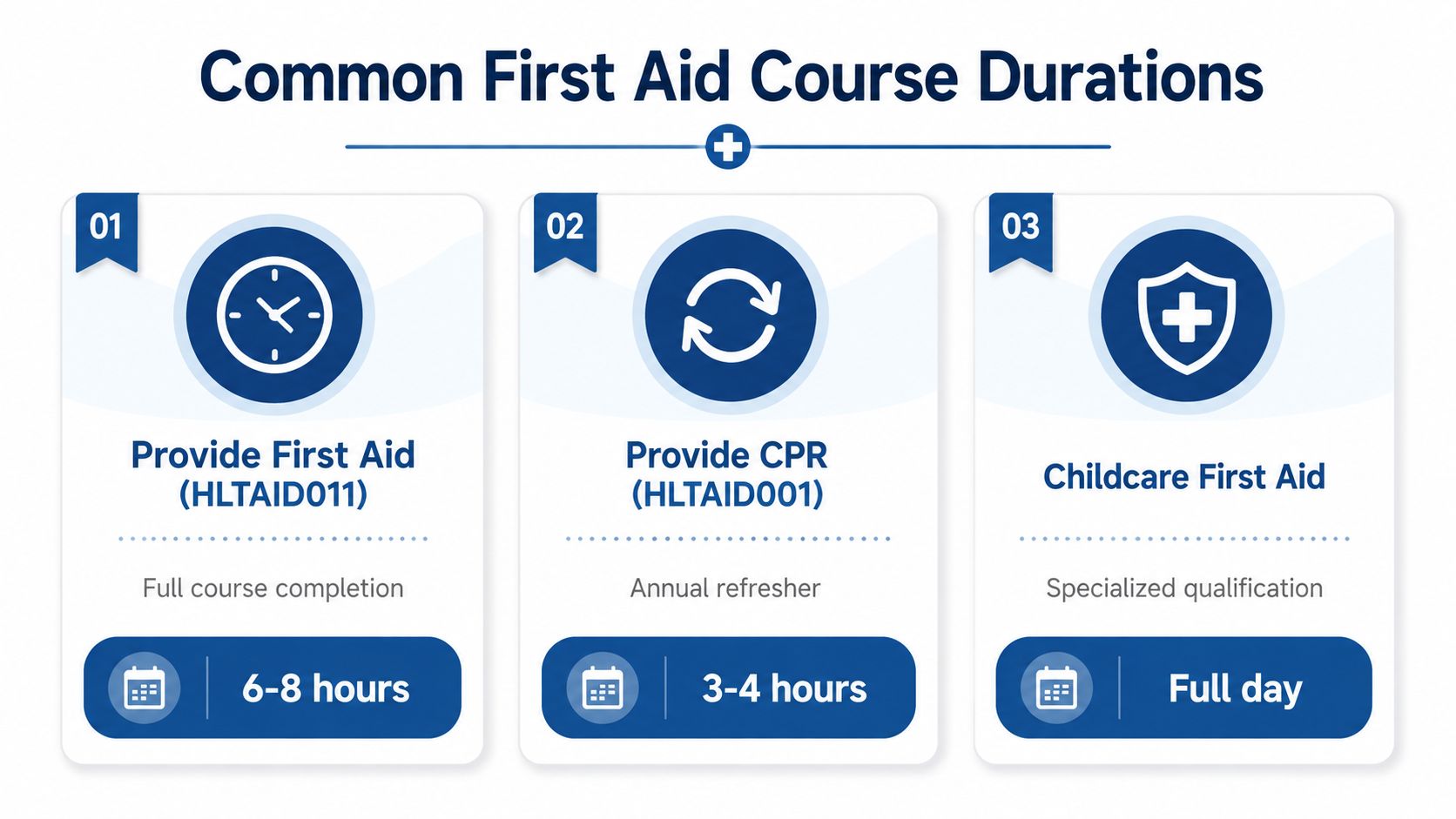
HLTAID011 Provide First Aid is the broad workplace qualification. It develops the knowledge and practical skills needed to respond to various first aid situations, rather than concentrating only on CPR. The course usually takes about 8 hours. Providers may schedule that as one face-to-face day, or divide it between online theory and an in-person practical session.
Blended delivery can include approximately 4 to 6 hours of self-paced online learning, followed by 3 to 4 hours of practical training. The total commitment remains close to one full day. Check the provider's timetable before booking, because online study still needs to be completed before the practical assessment.
CPR-only training
HLTAID009 Provide Cardiopulmonary Resuscitation takes less time because it focuses on CPR and related emergency response skills. Australian course guidance places CPR-only training at 2 to 3 hours, while a Queensland classroom format takes about 3.5 hours (Australian CPR course duration information).
This shorter course is often the practical choice when the broader first aid qualification remains current but the annual CPR update is due. The two requirements work like a main qualification and a scheduled skills check, so renewing one does not automatically renew the other.
Education and care training
HLTAID012 Provide First Aid in an education and care setting serves people working with children and in education or care environments. Its focus differs from the standard workplace course, so confirm the qualification named by the employer or relevant sector before enrolling.
Employers can record course dates, renewal tasks, and role-specific requirements in an employee development plan with HR Management 365. This helps managers plan annual CPR updates separately from the broader first aid renewal cycle.
TP Training offers a nationally recognised Provide First Aid Course with practical, hands-on training across NSW. For the qualification's units and assessment focus, review what HLTAID011 covers.
Understanding Certificate Validity and Renewal Rules
A worker can hold a first aid Statement of Attainment that appears current, while the workplace record still shows an overdue CPR update. The certificate date alone does not give the full compliance picture. Employers and workers need a record system that tracks the qualification, CPR training, and role requirements separately.
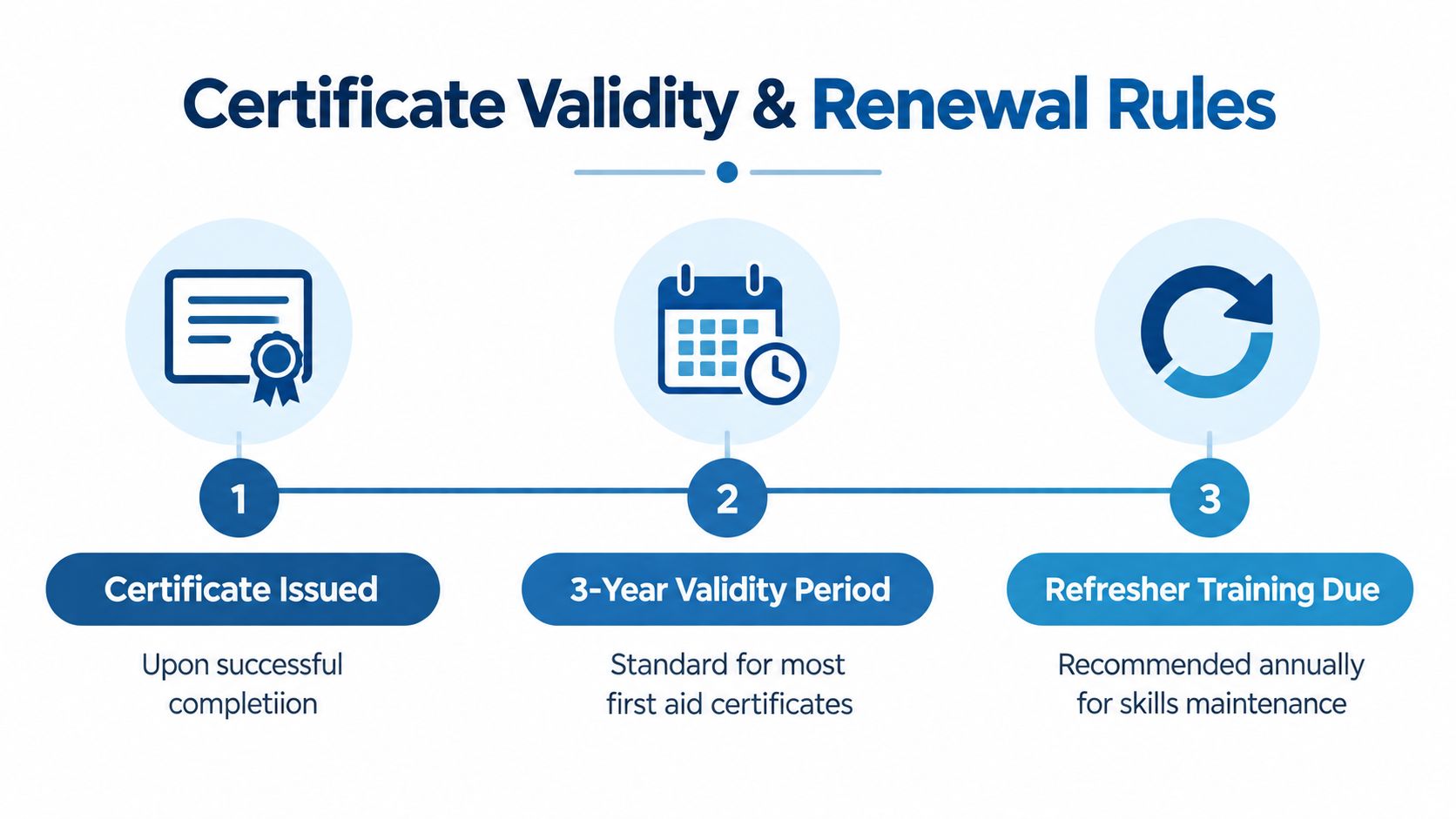
The broader first aid qualification is generally renewed every three years, while CPR needs an annual refresher where workplace or sector rules require current skills. The two requirements operate like a vehicle's registration and servicing. Registration covers a longer period, but regular servicing checks that the vehicle remains ready for use. First aid certification follows the same pattern, with a longer qualification cycle and more frequent CPR skills maintenance.
Build a useful first aid register
A register should show more than the certificate issue date. Record:
- The first aid qualification date: Check when the broader training was completed and when its renewal is due.
- The CPR completion date: Confirm that the CPR component remains within the required annual period.
- The role requirement: Match the training to the work environment, particularly education and care settings.
- The evidence held: Keep the Statement of Attainment and refresher records where the employer's process requires them.
A simple spreadsheet, HR system, or employee development plan can list each worker, both relevant dates, the required course, and the next action. Set reminders before the due dates rather than waiting for a certificate or CPR record to lapse. This gives managers time to check enrolment, roster coverage, and replacement first aid arrangements.
For a broader explanation of how CPR, first aid and other safety certifications fit together, review how each credential supports workplace requirements. A worker may say, “My certificate hasn't expired,” but the register should confirm whether their CPR evidence is also current.
Face-to-Face vs Blended Learning Time Commitment
The certificate may be the same, but the time commitment is organised differently. A face-to-face learner could attend a classroom timetable from 9am to 5pm, completing theory, demonstrations, practice and assessment in one visit. This suits people who want immediate answers and trainer guidance while they work through each skill.
Blended learning divides that commitment. For example, you might complete four hours of online theory before attending a three-hour practical block. The online component can be completed around work or family responsibilities, but it must be finished before the scheduled classroom session if the provider requires pre-completion.
The practical session still requires active participation. You may need to perform CPR on a manikin, demonstrate other first aid responses and complete practical assessment under the trainer's observation. Passing online knowledge questions alone does not show that you can perform the required techniques safely.
| Delivery format | How the time is organised | Best suited to |
|---|---|---|
| Face-to-face | A continuous classroom day covering theory, practice and assessment | Learners who prefer direct support throughout the course |
| Blended | Online theory first, followed by a scheduled practical and assessment block | People who need to divide study around work or family commitments |
| CPR-only | A shorter, practical-focused session | Workers updating the CPR component of current training |
Australian guidance confirms that standard first aid training is usually completed within a day rather than across multiple days. CPR-only training is commonly 2 to 3 hours, while HLTAID011 is generally a one-day course. The exact timetable depends on whether the provider uses blended or fully face-to-face delivery (Australian first aid course duration guidance).

Ask the provider four practical questions before booking: how long the online work takes, whether it must be completed first, how long the practical block lasts, and which assessment tasks are included. Guidance on how online training works for workplace safety courses can also help you judge whether the format fits your schedule.
Factors That Can Influence Your Training Time
The biggest difference in training time often comes from whether you're completing an initial course or updating current skills.
A full course teaches the knowledge and techniques from the beginning. A refresher is designed for someone who already holds relevant training and is maintaining or updating those skills. That's why refresher sessions are often shorter, although eligibility and course design can vary between providers.
The Australian Red Cross gives a useful example for CPR. A full HLTAID009 CPR course may take about 2.5 hours, while a refresher for someone with current skills may be condensed to roughly 1.5 to 2 hours (Australian Red Cross CPR course information).
Other factors can affect the appointment you need:
- Previous training: A current qualification may make a refresher option available, subject to the provider's requirements.
- Workplace scope: An employer may need a course suited to its hazards or industry setting.
- Assessment arrangements: Practical demonstrations can take longer when a group needs additional coaching.
- Scheduling: A blended course may spread the commitment across separate online and in-person activities.
Don't book based only on the shortest advertised classroom time. Confirm whether the listed duration includes online learning, breaks, assessment and any required pre-course work. That gives you a realistic picture of the time you'll need away from work.
Frequently Asked Questions About First Aid Training
What's the difference between HLTAID011 and HLTAID012?
HLTAID011 is the common broad Provide First Aid qualification for workplace use. HLTAID012 is designed for first aid in an education and care setting, so it has a more specific context. If you work in childcare or education, ask your employer which unit they require before enrolling.
ACECQA states that education and care first aid qualifications are current when completed within the previous three years, while CPR and emergency life support components must have been completed within the previous 12 months (ACECQA first aid currency guidance).
Can I complete first aid training entirely online?
You may be able to complete the theory component online through a blended course, but practical skills still need to be demonstrated in person. CPR, manikin work and other practical assessments require a trainer to observe your performance and confirm that you can apply the skills.
Ask the provider whether the course is fully face-to-face or blended, and identify the exact in-person requirement before paying or requesting time off work.
What happens if my CPR currency has lapsed?
First, check whether you're eligible for a CPR refresher or whether you need to complete the full CPR course again. The answer can depend on your current qualification status, the provider's rules and the requirements of your workplace or sector.
Don't assume that a current three-year first aid certificate automatically covers an overdue CPR component. For practical guidance on locating suitable training, see CPR and first aid training near you.
Should I wait until the certificate expires?
It's safer to plan ahead. Contact your employer or training provider before the relevant date, confirm which component is due, and book the correct course early enough to avoid a gap in currency.
TP Training delivers practical, nationally recognised first aid training with experienced trainers and hands-on learning across NSW. If you need to plan a new qualification or organise an annual CPR update, visit TP Training to review the available training options and choose the course that matches your role.

You may also like
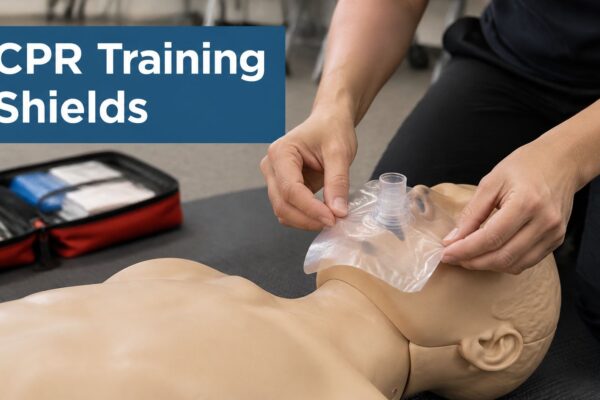
CPR Training Face Shields: A Practical Australian Guide

Civil Construction Plant Operations Courses Explained