

Career Change in 40s: A Practical Australian Roadmap
You've been in the same job long enough to know exactly what it pays, what it costs you, and what it's doing to your head. The mortgage still gets paid, the kids are settled, the routine is familiar, but the work has gone flat. That's the moment many people in their 40s stop pretending they just need a better attitude and start looking for a career change in 40s that fits their life.
Most advice falls apart at this point. It tells you to “follow your passion”, then sends you into a fog of generic upskilling, endless networking, and a university course you don't need. A better way is to treat the pivot like a practical Australian labour-market decision, one where demand, credentials, timing, and household cashflow all matter.
If you've already looked at a few overseas guides, the closest useful one is career change advice uk, because it at least acknowledges that midlife transitions need structure. But Australia has its own rules, its own tickets, and its own faster paths into work, so copy-pasting foreign advice is a waste of time.
Table of Contents
- The Moment Most People Actually Decide
- Auditing Your Skills Before You Spend a Dollar
- What the Australian Labour Market Will Pay You For
- Choosing Your Pathway Without Restarting From Zero
- Funding the Switch Without Burning the House Down
- Closing the Minimum Credential Gap That Gets You Hired
- Job Search and Networking That Works in Australia
The Moment Most People Actually Decide
It usually happens on an ordinary Tuesday, not during some dramatic life epiphany. A client tells me they've just spent another day in meetings they didn't care about, then got home to dinner, homework, laundry, and the quiet realisation that the next ten years can't look like the last ten. That's not indecision, that's a sane response to a role that no longer fits.
The good news is that the 40s are a strong window for a pivot. You know what you're good at, you're less likely to chase nonsense, and you've usually built enough financial stability to make a move without lighting a match to your whole life. In Australia, that matters because there are real pathways into trades, ticket-based roles, civil work, traffic control, hospitality, and other hands-on jobs that don't require a full reset.
The mistake is waiting for certainty. You won't get that. What you can get is a workable plan, and a good one starts with the same things I'd ask in a first consultation, what's draining you, what still has value, and what kind of income bridge you need while you retrain.
Practical rule: if your current role still pays the bills but keeps shrinking your patience, treat that as a planning signal, not a personality flaw.
A sensible roadmap should help you answer four questions. Is the move worth making? What skills transfer? Which Australian pathways get you earning again fastest? And how do you fund the switch without gambling the household budget? That's the structure here, and it's the one I'd want in front of any client who's tired of vague encouragement and wants a proper plan.
For a broader, structured perspective on midlife transition, the grounded approach in career change at midlife is worth reading because it focuses on clarity and small experiments rather than fantasy. That part is universal. The Australian part is more concrete, because here the credential often matters as much as the experience.
Auditing Your Skills Before You Spend a Dollar
Don't book a course until you've done a proper audit. Too many people in their 40s pay for training first, then find they've trained for a job they did not want, or one they still cannot enter because they missed the gatekeeper credential. Start with your history, not your wishlist.
Build the page that tells the truth
Take one sheet of A4 and write every role you've held. Under each role, list what you did, not the job title fluff. If you managed people, handled complaints, ran stock, used scheduling software, dealt with customers, kept records, trained new starters, or worked under pressure, those are transferable skills employers understand.
Then map those skills against 10 to 15 real job ads for one target role. Not dream ads, real ones. You are looking for repeated requirements, the capability gaps, and the things employers keep asking for that you can prove quickly.
A simple self-score helps. Give each target skill a Yes, Some, or No. If you are mostly Yes and Some, you may already have enough overlap to make the move worth pursuing. Career-change guidance often uses transferable-skill overlap as the test, and the point is simple, if your background lines up cleanly with the target role, you are in a better position to retrain without wasting money on a blind guess.
Use the audit to prove overlap, not to fantasise about a new identity.
Now compare your current reality against the target role, not against what you enjoy reading about online. Plenty of people like the idea of a role and have no appetite for the actual work. Employers pay for capability, reliability, and evidence.
For the practical admin piece, the Unique Student Identifier matters when you start formal training, so keep the process simple and organised by using the USI setup guide. It saves time when you are ready to move.

What the Australian Labour Market Will Pay You For
Stop asking what feels inspiring and start asking what the labour market will hire you into. In Australia, that means targeting roles where your current experience can be turned into a recognised entry point, not chasing a glossy title that needs years of retraining. The biggest waste of time is aiming at saturated office roles because they sound respectable.
Construction is one of the clearest examples. Jobs and Skills Australia projects 11.8% employment growth in the Construction industry to May 2029, and the same source identifies Trades and Technicians and Labourers as groups with strong projected demand, which is exactly why mid-career entrants keep finding real opportunities there Jobs and Skills Australia. If you want a shortage area where a 40-something can enter through tickets and practical evidence, that is a much better bet than trying to outcompete younger applicants for vague generalist office roles.
Demand is one thing, entry is another
The other reality is safety. Safe Work Australia shows that physically demanding industries, including construction, carry a high share of serious injury and workers' compensation claims, which is why employers expect compliance credentials before site entry Safe Work Australia overview via the referenced industry discussion. It is a practical filter, not unnecessary bureaucracy.
If you are switching into a hands-on role, the credential is not a nice-to-have, it is the key that gets your application past the first gate. Candidates often spend weeks applying through job boards without tailoring their materials, then wonder why nothing moves. Traffic control, civil work, forklift, first aid, and White Card pathways keep showing up in successful midlife pivots because they are fast, local, and easy for employers to read.
The market rarely rewards “potential” on its own. It rewards evidence that you can step onto site, follow process, and not need babysitting.
A good reality check is this. If the role needs a formal ticket or licence, and you can get one in a short timeframe, the pathway is probably viable. If it needs a full degree before anyone will look at you, be brutally honest about the time and cost before you commit. For traffic control in particular, salary and work patterns vary by location and demand, so check a practical local guide like this Sydney traffic controller pay and career guide before you spend money on training.
Choosing Your Pathway Without Restarting From Zero
The most expensive option is often chosen because more study is thought to equal more legitimacy. That's lazy thinking. A career change in 40s should be judged on cost, time to first income, and how much disruption it creates for your family, not on academic prestige.
Here's the comparison I'd use with a client who wants a second career without burning the whole year.
| Pathway | Typical Cost (AUD) | Time to First Income | Best For |
|---|---|---|---|
| University reset | High | Slow | People entering regulated professions that truly require a degree |
| Vocational tickets and licences | Lower | Fast | Construction, traffic control, warehousing, logistics, site work |
| Short accredited courses | Lower to moderate | Fast | Entry-level compliance roles, hospitality, care support, site access |
| Adjacent-job pivot | Low | Fastest | Workers leveraging current industry knowledge in a nearby role |
The blunt answer is this. For most Australians in their 40s, a full university reset is the wrong first move unless the target occupation requires it. A shorter ticket or licence often does the job faster, especially in construction, traffic control, warehousing, food service, and civil work.
That's where a practical course like White Card Training Course fits naturally. TP Training provides practical, nationally recognised White Card Training Course training with experienced trainers and hands-on learning across NSW. If your target role needs site access, that's the sort of credential that gets you moving.
The same logic applies to the broader ticket-based pathway. A client who wants a new income stream should pick the smallest credential that leads to the target role. Anything bigger than that needs a very strong reason, because every extra month in study is another month not earning.
For a traffic-control specific example of how employers think about entry, the traffic controller salary guide and career opportunities is a useful way to see why the ticket-based route matters.
Funding the Switch Without Burning the House Down
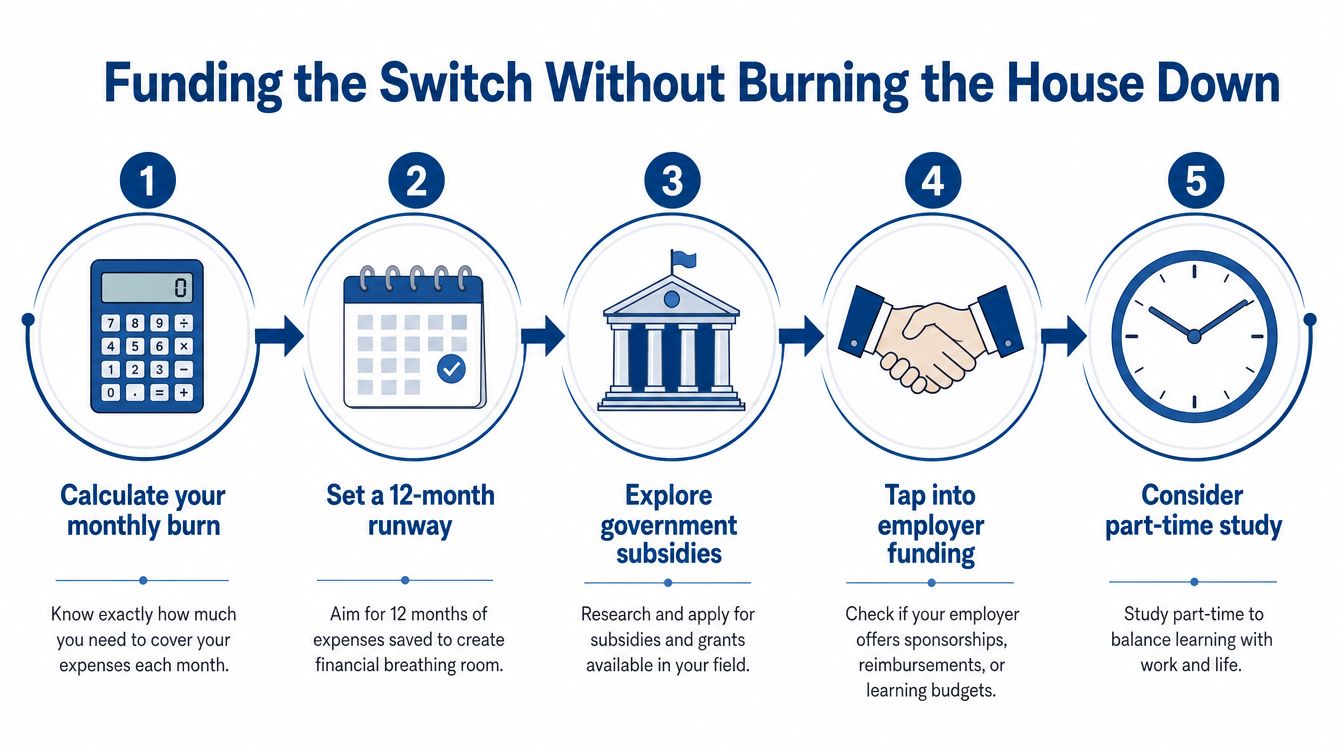
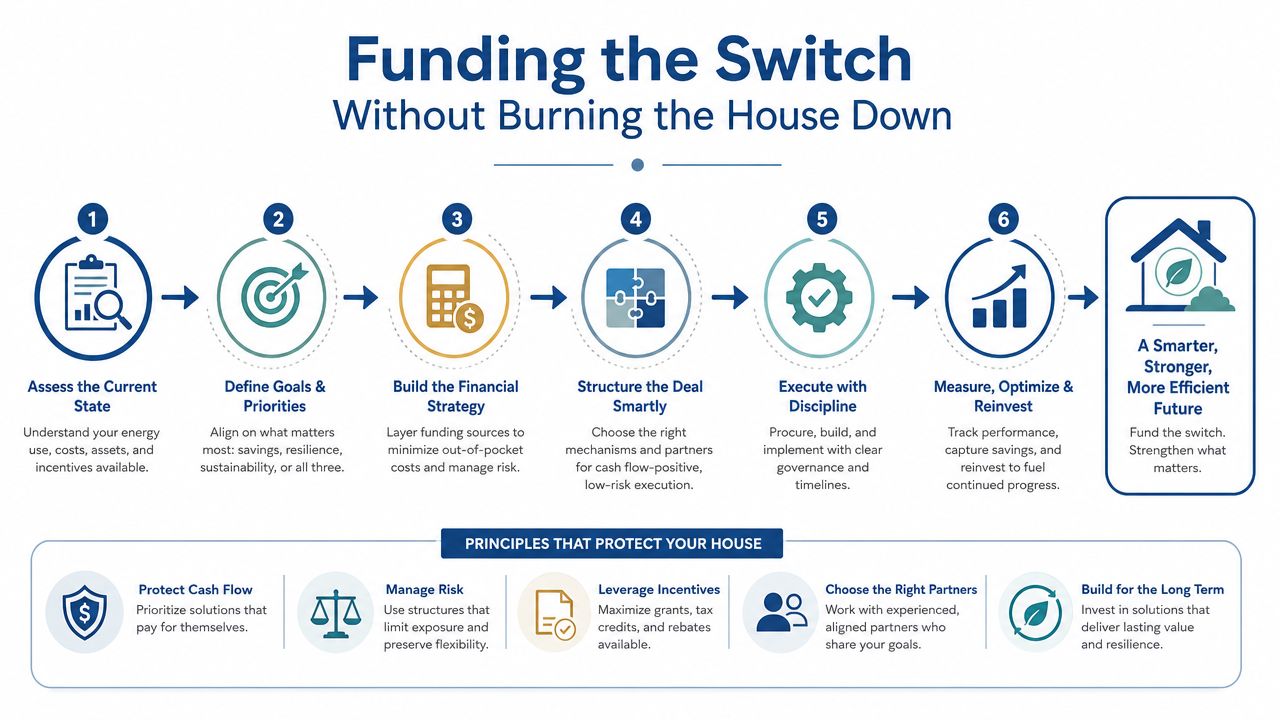
A mid-career switch falls apart fast when people enrol first and ask about money later. Mortgage repayments, rent, childcare, transport, groceries, and debt do not pause because you want a better job. A serious career change in 40s needs a funding plan before you sign up for anything.
Work out your runway first
Start with monthly burn. Add up the essentials, mortgage or rent, utilities, groceries, transport, childcare, debt repayments, and anything else you must pay to keep the household stable. Then work out how many months of that spend your household can carry without stress. That number is your runway. If the number is tight, the pathway needs to be part-time, staged, or tied to paid work from the start.
The funded options are practical, not magical. Some eligible courses may be supported through VET Student Loans, some training is pay-as-you-go, and some employers will fund traineeships or on-the-job tickets when they need the labour. Part-time study while working is often the cleanest bridge, especially if you can pair it with a portable casual income.
A proper plan also forces you to make trade-offs early. The benefits of strategic planning show up in real life here, because messy transitions still need structure and a clear order of spending. If you cannot explain where the money comes from over the next few months, the plan is not ready.
Bridge income instead of betting on a perfect outcome
If you need to move quickly, do not wait for the ideal role to appear on day one. Use weekend work, casual shifts, or contract work in a related area to keep money flowing while you retrain. The goal is simple, keep the household steady while you build the new credential stack.
That is where the small, job-linked courses matter. A short course in affordable RSA, RCG, food safety supervisor, and barista training can create an income bridge while you work toward a longer-term move. For a lot of Australians in their 40s, that is a better use of time than draining savings on a vague study plan that does not produce pay any faster.
A simple rule works this week. If your retraining plan depends on zero setbacks, it is too fragile. If it survives a delayed start, a slower application round, and one extra month of casual work, it is probably real.
Closing the Minimum Credential Gap That Gets You Hired
Stop collecting qualifications like they're trophies. The job you want almost always has one obvious entry credential, and that's the one to get first. In Australia, the minimum-credential-gap approach beats “I'll study everything and apply later” because employers want the quickest proof that you can operate safely and legally.
Match the ticket to the job, not the fantasy
If you want site access, you need a White Card. If you want traffic roles, you need the traffic management credential employers ask for. If you want warehouse or logistics work, a forklift licence changes your options fast. If you're aiming at hospitality or care-adjacent roles, First Aid and CPR remove a common objection. For civil work, machinery tickets like roller, excavator, or skid steer are the entry signals that matter.
That's the logic behind the shortlist below.
- White Card: for construction and any role that needs site entry.
- Traffic Controller Blue Card: for traffic management work.
- Forklift licence: for warehousing, logistics, and industrial roles.
- First Aid and CPR: for hospitality, care, and workplace safety support.
- Civil construction machinery tickets: for civil works and plant-based entry roles.
The point isn't to become overqualified. It's to clear the first hiring filter. Once the employer sees the right ticket, the conversation moves from “why should we take you?” to “can you do the work and fit the team?”
For a practical NSW example, TP Training's local catalogue includes the kinds of tickets people use to enter these fields, including site, traffic, forklift, and civil pathways. That matters because the credential has to be recognised where you plan to work.
If you need help showing those gaps cleanly on paper, the advice on career change resume tips is useful as a framing reference, especially when you're turning past experience into hiring evidence instead of apologising for your age or your timeline.
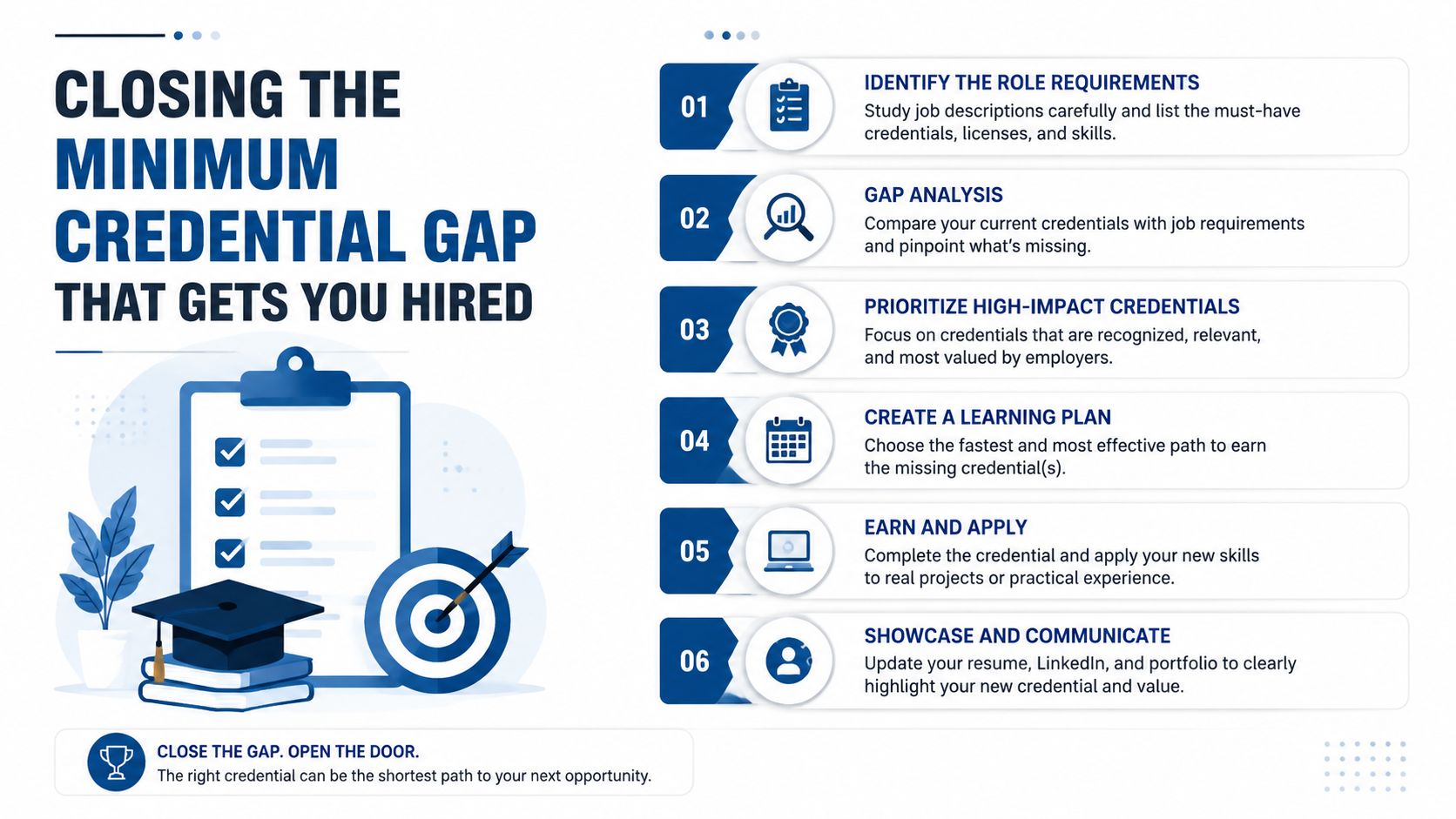
The first ticket usually wins the interview because it removes the easiest reason to reject you. Get that sorted, then build the rest while you're already in motion.
Job Search and Networking That Works in Australia
You have the credential now. The next job is turning it into interviews and paid work. People burn time by applying to everything and hoping the market sorts itself out. It does not. The faster path is tighter: pick one role, show the right proof, and use the channels where Australian employers for this work look.
Reframe the resume around one target role
Lead with outcomes, not chronology. If you are moving into traffic control, construction, warehousing, or civil work, put the skills first that show you can work safely, communicate clearly, follow process, and turn up reliably. Old job titles only help when they support the role you want.
Keep the cover note plain. Do not apologise for being in your 40s, and do not dress yourself up like someone fresh out of school. Say you are making a deliberate change, you have completed the training, and you are bringing existing experience into the new role. That reads as steady and prepared. It beats sounding uncertain.
Use the boards and channels where these jobs show up. Seek, Indeed, iSeekWork, and LinkedIn matter, but so do industry Facebook groups for traffic control and civil construction, because plenty of practical work gets shared there before it turns into polished ads. For a local traffic-control angle, the how to find a traffic control job in Sydney guide is a useful example of the kind of focused search that gets results.
Run a four-week sprint, not a vague plan
Week 1: rewrite the resume around one target role and one set of tickets.
Week 2: finish the missing credential gap, or book the first available intake if it is not yet done.
Week 3: apply hard, but only to roles that match the role you have chosen.
Week 4: turn warm contacts into referrals. Ask former colleagues, trainers, and industry contacts if they know anyone hiring for the exact role you want.
Practical rule: one target role, one resume, one application sprint. Scattergun job hunting wastes time and confidence.
The 90-day version is cleaner. Days 1 to 14, run the audit and target-role map. Days 15 to 45, complete the minimum credential gap. Days 46 to 75, run the application and networking sprint. Days 76 to 90, land the first role or the first paid contract.
Age bias does come up in interviews, so answer it with evidence, not defensiveness. If your current employer does not know yet, keep it private until you have decided what you are doing. If the first pivot stalls, go back to the audit and check whether the role was wrong, the credential was incomplete, or the search was too broad. If a second attempt is worth it, you will know because the fit is better and the market response improves.
Do not wait for the perfect moment. Enrol in the first ticket this month, start the resume rewrite, and move.

You may also like

Yellow Card Requirements in NSW: A Practical Guide

LV Rescue Training Explained What It Covers and Who Needs It